
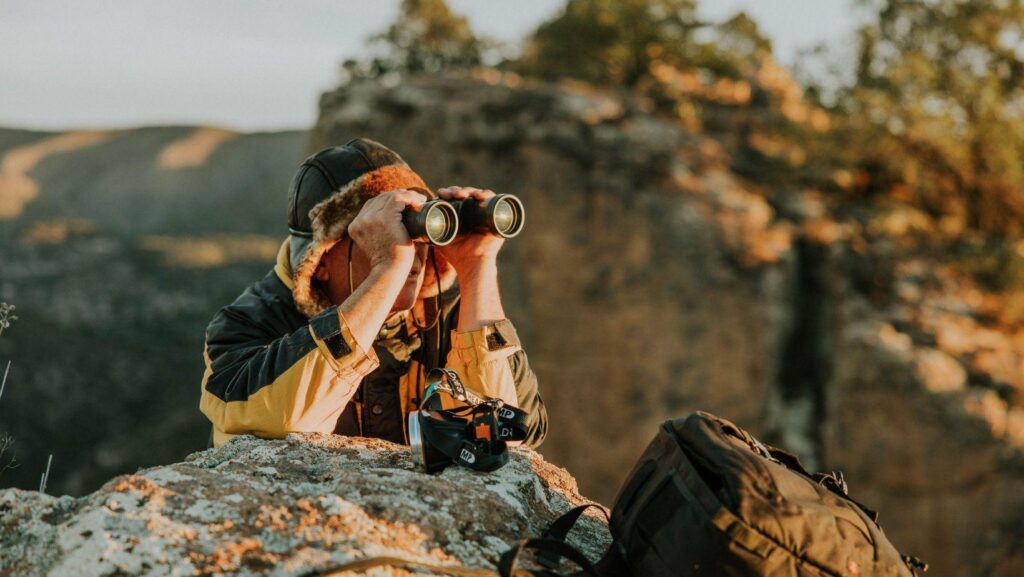
Adventure seekers often treat home as a launchpad rather than a destination. That mindset eventually raises a bigger question. Should the launchpad itself move closer to the terrain that matters most? Changing home base as an adventure seeker isn’t the same decision a typical relocation makes. Home base here means more than an address; it’s the fixed point every trip launches from and returns to. Proximity to trailheads, dive sites, or climbing routes competes directly with job flexibility and cost of living. It also competes with how far you’ll be from the people who matter. Getting this decision right means thinking through logistics most moving guides never mention. A life built around frequent trips has different priorities than a life built around a daily commute.
Why Do Adventure Seekers Even Consider Changing Home Base?
Distance adds up faster than most people expect. A six-hour drive to a favorite mountain range, repeated every few weekends, quietly eats into both time and gas money over a year. Living closer to the terrain that matters cuts travel time dramatically. A weekend trip can shrink down to a single day out and back.
Some adventure seekers also chase seasonal access. They move somewhere that keeps trails, water, or snow within reach for more months of the year. Others are chasing a specific microclimate, like consistent wind for kiteboarding or reliable powder for backcountry skiing. The pull isn’t always about convenience. Sometimes it’s simply wanting fewer hours in a car. It’s about more hours doing the thing that got them into this lifestyle in the first place.
What Should You Sort Out Before Committing to a New Base?
A new home base needs to support the life happening between trips, not just the trips themselves. What every outdoor adventurer should sort out before hitting the road applies just as much to a permanent move as it does to a single expedition. A few things are worth checking before signing a lease or making an offer:
A location that’s perfect for a two-week trip can feel isolating or impractical as a year-round base. Grocery runs, doctor’s appointments, and simple errands all take longer in a remote mountain town. A suburb twenty minutes from a trailhead often handles daily life far more easily.
How Do You Protect Specialized Gear During the Move?
Adventure gear rarely travels well in a standard moving box. Cameras, dive computers, optics, and GPS units are precise instruments. They’re built to survive rough terrain, not necessarily a moving truck.
Protecting it starts with the instincts behind most fragile item packing tips: individual wrapping, sturdy boxes, and clear labeling. The same care that protects a dinner plate protects a dive computer just as well. Photos taken before the move matter too, since they double as documentation if anything arrives damaged. Replacing specialized gear costs far more than replacing standard household items, and some pieces, like a well-broken-in wetsuit, aren’t really replaceable at all.
How Do You Keep Mail and Logistics Running From a New Base?
A new home base only works if the practical side of life follows smoothly. Taking care of mail and packages while away on a mountain adventure becomes a permanent concern once trips happen more frequently from the new location.
Mail forwarding, package holds, and a trusted neighbor all become part of the routine. Skipping this step often causes more disruption than the move itself. That’s especially true for anyone who orders gear or medication by mail regularly. A missed prescription refill or a lost repair part can derail a trip just as easily as bad weather.
What Digital Tools Make Managing a New Base Easier?
Staying organized across frequent trips gets easier with the right tools. Apps and devices that help track gear, plan routes, and manage schedules are part of the new digital toolkit for modern adventurers. That toolkit works no matter where the next trip starts.
A new base benefits from those same tools, applied to daily logistics instead of trip planning. Shared calendars handle household tasks. Smart home devices work from a phone. Offline maps still function once cell service disappears near the new home.
How Much Does Proximity to Outdoor Recreation Actually Matter?
The pull toward outdoor-recreation-heavy locations isn’t just anecdotal. The Bureau of Economic Analysis found that outdoor recreation contributed $696.7 billion to the U.S. economy in 2024. States like Vermont, Montana, and Wyoming saw outdoor recreation account for more than four percent of their entire state GDP.
Local economies in these areas increasingly cater to people who live there specifically for the access, not just visitors passing through. That shift shows up in everything from gear shops to remote-work-friendly cafes.
Making Changing Home Base as an Adventure Seeker Worth It
Changing home base as an adventure seeker works best when it’s treated as a full relocation decision. It shouldn’t be just a move closer to better trails. Sorting out logistics, protecting specialized gear, and keeping daily life running smoothly all matter as much as proximity to the terrain itself. Get those pieces right, and the new base becomes exactly what it’s supposed to be. That means less time getting to the adventure and more time actually in it.