

Going on a trip and being properly prepared for it are two quite different things. While anyone can just throw some bags in the boot, drive the car to the hills and hope for the best, those who have travelled this way before know the truth: the most exciting adventures happen when the boring preparation is taken care of first.
What if the battery of your phone runs out just at sunrise and your maps don’t load any more as you are in the middle of nowhere? Or, better yet, what if you find out that you left your drinking water at home when you are three hours away from the nearest shop? The adventure may go downhill very quickly in such situations. To be honest, it can even be dangerous to go into the mountains for a few hours without your survival gear. If you however intend to go exploring coastal campsites, exploring forests, or even going on a week-long road trip, then being prepared is key.
Here’s what every nature lover should thoroughly check before going on a trip:
1. First Off, Vehicle Check
First of all, ensure that the vehicle is prepared for the trip. Your vehicle is more than just a means of transportation – it’s the main element. Therefore, you should not rely on how it performed last week; rather, schedule a thorough examination before checking the components:
- Tyre
- Oil coolant, windscreen washer fluid,
- Brakes and lights,
- Battery condition
- Wipers
- Fuel level,
- Extra tyre or puncture fixing kit
If you are hooking a trailer to your vehicle, also check the trailer’s connection and lighting.
Also, if you travel in motorhomes, campervans, or heavy vehicles, you need to give a lot of consideration to weight limits and tyre condition. Many people who overload their vehicles are not aware that it can lead to very dangerous situations.
A check in the driveway may save you several hours of being stranded on the roadside later.
2. Sort Out Your Gear in the Day
Rather than preparing the night before, most people decide to pack only at the last minute. This is one of the reasons why stoves are left behind, head torches have no battery, and waterproofs remain hanging in the hallway. So, make sure to lay out everything early and check the items properly. Gear to check for outdoor essentials:
- Tent or awning
- Sleeping bags and mats
- Stove and fuel
- Cooking kit
- Waterproof clothing
- Walking boots
- Head torches
- Power banks
- Multi-tool
- Weather layers
It is advisable to test the important items before you leave. Inflate mats, charge batteries, and ensure the stove is working and lighting up properly. Having the right working gear will make your adventures start smoothly.
3. Plan Your Route and Also Plan for Losing Signal
One of the most typical mistakes when going on a road trip is to rely only on phone signals. Country roads, mountain paths, woods, and seaside areas usually have poor reception. So, if your maps stop working, you need a backup. A smart way to prepare your route would be to include:
- Downloading offline maps
- Saving campsites and fuel stops
- Marking supermarkets en route
- Checking road closures
- Knowing height or width restrictions for larger vehicles
- Having a paper map as backup
And, of course, having a paper map as a last resort. If you have a motorhome or a van, it is highly recommended not to simply trust the sat nav routes intended for cars. Besides, narrow lanes and low bridges could easily ruin your evening.
4. Knowing Where You Are Sleeping
Freedom is great. Driving until sunset and “finding somewhere” sounds romantic. During peak season it can also be a source of stress and weariness, causing you to continue driving around fully booked campsites in the dark. Plan your first night at least.
If you are going to be in any of these situations, then booking a campsite is advisable:
- Travelling during school holidays
- Visiting popular parks
- Needing bathrooms or other facilities
- Getting there late
Wild camping considerations:
The rules for wild camping are incredibly different across the world. It probably won’t just be limited to some locations, but it could be banned completely, at least for cars. In other words, dig into the regulations of the place, be kind to the landowners, don’t discard anything, and don’t simply think that police permission to park on a roadside means you can spend the night there.
Don’t let your passion for discovery be a justification for you to damage nature or the places that you adore.
5. Food and Water: Pack Like a Realist
When planning an outdoor trip, people often pack too many snacks and not enough genuinely useful supplies. Take with you meals which you can easily prepare even in bad weather, are simple and satisfying.
Good road-trip staples include:
- Pasta or rice
- Oats
- Tinned meals or beans
- Bread or wraps
- Nuts and trail mix
- Fruit, tea, or coffee
- Energy bars
What about water? Take with you more than you consider necessary.
Even if your itinerary includes passing towns, still there can be delays. Unforeseen circumstances such as a car breakdown, a blocked road, or an unexpectedly long walk can make “we’ll drink later” a risky assumption. Therefore, you should have some water saved for emergencies, besides just the bottles you are using during the day.
6. Make a Proper First-Aid Kit
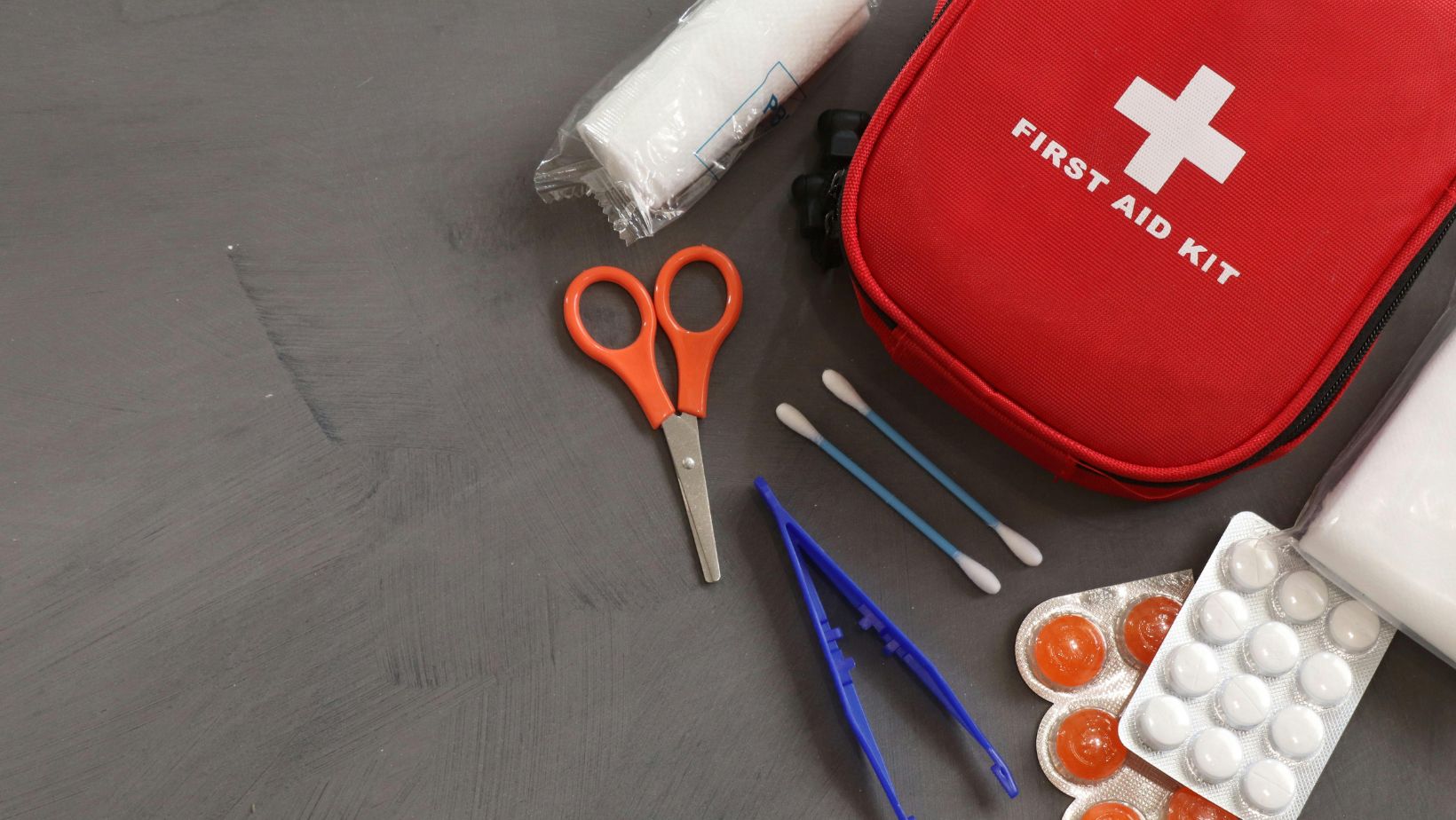
Adventure doesn’t mean adding to your problems, it means being ready. Ideally, an emergency kit is something that stays in your car and isn’t taken out the moment you are leaving.
Among other things, you should keep in it:
- A first aid kit
- Painkillers and blister treatment
- Different types of bandages, plasters
- Antiseptic wipes
- A thermal emergency blanket
- A torch and jump leads
- Tow rope
- A tyre inflator
Basic tools. If you are going to a very remote place, you might want to get a battery pack starter and additional fuel if it is safe and legal to do so.
7. Tell Someone the Plan
Why keep this a secret? The truth is, many of us forget to notify a trusted person before leaving:
- Your route
- Planned stops
- Campsites or overnight areas
- Who is travelling
- When you expect to return
If the plans get changed drastically, let them know. Having a last known location with a third party can be of immense help in case of emergencies.
8. Take Care of the Administration Before It Turns into an Issue
Travel enthusiasts who love to go on adventures mostly focus their attention on the latest equipment and tend to ignore paperwork. That works out fine until you actually need it. Generally, the paperwork you should have with you for your trip includes:
- Driving licence
- Vehicle registration
- MOT and service status
- Breakdown cover details
- Emergency contact numbers
- Booking confirmations
- Payment cards and some cash
Besides, if you are going to be travelling in a motorhome, then proper motorhome insurance should be on your list of must-haves. It not only covers theft of the vehicle but also provides liability cover, which usually comes in very handy when something unexpected happens, especially when you are far from home and require support most. Keep digital copies of your important documents as a backup too.
9. Always Check the Weather
And not just once. Weather shapes trips in ways people overlook – routes shift when skies darken. Checking forecasts several days out helps, yet another look one day prior adds clarity. Morning checks before leaving catch the last-minute shifts. Strong wind warnings appear suddenly, rain may flood trails, heat builds where shade fades, frost grips campsites without notice. Comfort vanishes fast if gear does not match the conditions. Hikers who adjust early walk more easily later. Expecting little means facing less surprise once underway.
10. Make Space for What Might Happen
Surprises often steal the show on great drives – maybe a hidden shoreline appears, then a stunning route diverts you sideways. A path suggested by someone who lives nearby might pull you off plan. Sometimes staying another evening happens, just because the place feels right. Planning helps, yet it is not about locking down each moment tightly.
It means taking away the things that can go wrong so that you are free to enjoy any good moments that come your way. Once you have covered the essentials, you will be able to say yes to the nice things.
Conclusion
There is a certain thrill in setting off on an adventure, and staying well-prepared is what keeps you going. However, a confident attitude while being in nature does not solely depend on positive thinking, but rather the one who is well-prepared in all aspects. Vehicle inspection, equipment testing, navigation planning, sorting documentation, and maintaining a hydration plan – do these things and when you have the sunrise behind the mountain scenery or the coastal road in front of your eyes, you will be free to enjoy the moment. Preparedness is the key to getting lucky in adventures.