
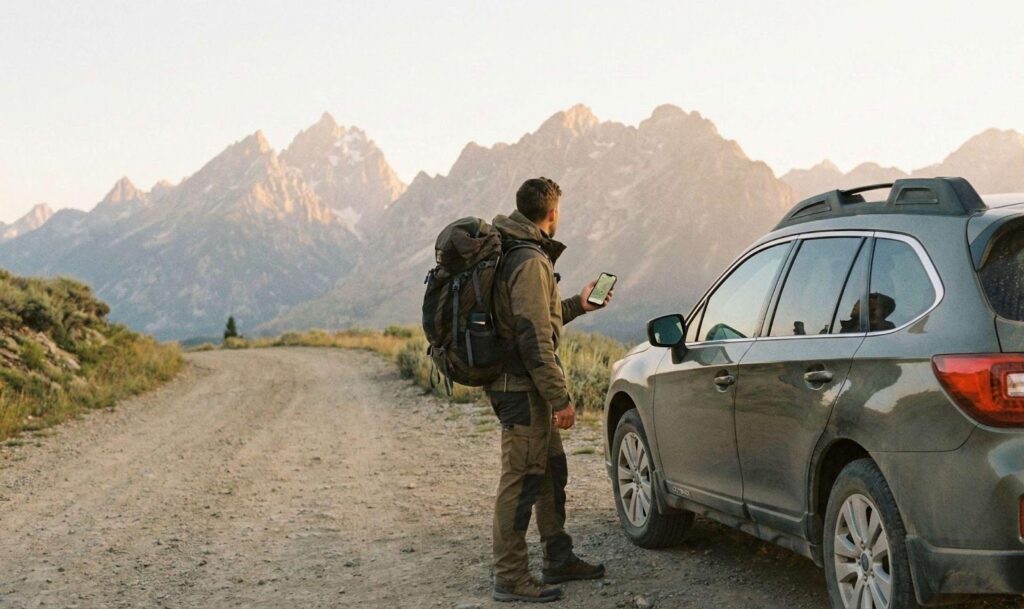
Adventure Travel Brings Freedom and Responsibility
Adventure travel comes with a certain mindset. You choose remote roads, quiet trails, and unfamiliar places because they offer freedom. You accept that things may not go exactly as planned. What most travelers do not accept is unnecessary risk.
When you drive long distances, hike outside busy areas, or explore new terrain, small gaps in awareness can turn into bigger problems. A missed turn. A delayed arrival. A phone that suddenly loses signal. These are normal parts of adventure travel, not failures.
GPS trackers have become a practical safety support for travelers who want to stay prepared without limiting their experience. They do not replace skill, planning, or good judgment. They add visibility when communication drops or conditions change.
Adventure travelers use GPS tracking in a few clear ways. Road trips across remote areas. Outdoor exploration. Family and group travel. Emergency preparedness. Used thoughtfully, GPS trackers help manage uncertainty while keeping the spirit of adventure intact.
Why Safety Planning Matters More in Adventure Travel
Everyday travel usually happens close to infrastructure. Roads stay busy. Mobile signals remain strong. Help is nearby.
Adventure travel works differently. Remote locations often mean weaker mobile coverage, fewer services, and longer response times if something goes wrong. A flat tire outside a small town is not the same as one on a highway. A missed check-in during a hike feels different than one in a city.
Small issues can escalate faster when distance and isolation are involved. Delays last longer. Communication gaps create confusion. Decisions carry more weight.
That is why safety planning matters more during adventure travel. Preparation becomes layered. Route planning, emergency contacts, situational awareness, and communication tools all work together.
GPS trackers fit into this layered approach. There is not a single solution. They are one more way to maintain awareness when conditions are unpredictable. When you know where people and vehicles are, it becomes easier to respond calmly instead of guessing what might be wrong.
What a GPS Tracker Is and How It Differs From Phone Apps
A GPS tracker is a small device that reports location. You check that location through an app or secure web dashboard. The setup is usually simple. Once active, the tracker updates location automatically.
Many travelers already rely on phone navigation apps, and those work well most of the time. The difference comes down to independence. Phone apps depend on battery life, signal strength, and user settings. When any of those fail, location sharing often stops.
A dedicated GPS tracker works separately from your phone. It continues reporting location even if a phone battery dies, loses signal, or gets turned off. For adventure travel, that independence matters.
The focus is not technical detail. Most travelers never think about how the tracker works behind the scenes. What matters is knowing where a vehicle is parked, whether someone arrived at a destination, or where help should go if plans change.
GPS trackers stay quiet in the background. You check them when you need clarity. The rest of the time, they simply do their job.
Car GPS Trackers for Adventure Road Trips
Adventure road trips often involve long distances, changing routes, and overnight stops in unfamiliar places. Cars get parked at trailheads, small towns, or roadside pull-offs where visibility is limited.
Many travelers use car GPS trackers simply to locate their vehicle. Large parking areas. Unfamiliar streets. Remote trail access points. Instead of searching or guessing, you check the location and move on.
Awareness becomes more important during multi-day trips. If a vehicle moves when it should not, you know. This can support theft recovery, but it also helps with everyday situations. A shared vehicle being used unexpectedly. A car leaving a parking area overnight. A route taken that does not match the plan.
Car GPS trackers help with:
- Vehicle location awareness in remote or unfamiliar areas
- Alerts for unexpected movement
- Faster response during breakdowns or delays
- Added clarity during overnight stops
They do not replace locks, alarms, or smart planning. They add visibility. That extra layer helps travelers respond with information instead of assumptions.
Personal GPS Trackers for Outdoor and Solo Adventures
Outdoor adventures often place people beyond reliable mobile coverage. Hiking, trekking, and solo exploration come with long stretches where phones struggle to connect.
Solo travelers feel this most clearly. You may be confident in your skills and preparation, but communication gaps still happen. A trail takes longer than expected. Weather slows progress. A phone battery drains faster than planned.
Personal GPS trackers help by maintaining location visibility. Someone you trust can see where you are without interrupting your activity. You do not need to stop and check in constantly.
These trackers support:
- Location awareness during outdoor exploration
- Backup communication when phones fail
- Reassurance for both travelers and contacts
Use stays voluntary and situational. Some trips require it. Others do not. The value comes from having the option when conditions change. That flexibility allows solo travelers to explore confidently while keeping a safety net in place.
Family and Group Safety During Adventure Travel
Adventure travel often involves groups moving at different speeds. Families hike together. Friends split up temporarily. Children and older adults may need different pacing.
Visual contact can disappear quickly in outdoor settings. A wrong turn. A short delay. A crowded area. Phones may not always help.
GPS trackers support coordination without constant messaging. Instead of repeated check-ins, location awareness fills the gaps. Groups regroup faster. Plans adjust more smoothly.
Families and groups use GPS trackers for:
- Coordinating movement during outdoor activities
- Reassurance when visual contact is lost
- Faster regrouping in unfamiliar terrain
Consent and transparency matter here. Everyone should understand when tracking is used and why. When handled responsibly, GPS tracking supports trust instead of undermining it.
Emergency Situations Where GPS Tracking Supports Faster Help
Emergencies during adventure travel often start quietly. A vehicle breaks down far from services. A medical issue interrupts an outdoor activity. Weather forces an unexpected stop.
In these moments, accurate location data becomes critical. Explaining where you might be wastes time. Showing where you are saves it.
GPS tracking helps:
- Emergency responders reach the correct location
- Support services coordinate more effectively
- Travel companions communicate clearly
The goal is not drama. It is precision. When help is needed, knowing where to go often matters more than knowing every detail of what happened.
Key Features That Matter for Adventure Travel Safety
Certain GPS tracker features matter more during adventure travel. These focus on reliability and ease of use.
Key features include:
- Reliable location updates
- Geofence alerts for unexpected movement
- Long-lasting power or vehicle-powered operation
- Coverage in rural or remote areas
- Secure handling of location data
Most travelers care less about advanced customization and more about consistency. A tracker that updates when expected and is easy to check proves more valuable than one packed with rarely used options.
Using GPS Trackers Responsibly During Adventures
GPS trackers work best as support tools, not monitoring devices. Responsible use starts with communication.
People should know when tracking is active and why. Consent builds trust, especially within families and groups. Privacy boundaries should remain clear.
Responsible use includes:
- Transparent communication
- Purpose-driven tracking
- Respect for personal space
- Awareness of local laws and guidelines
When used thoughtfully, GPS tracking strengthens preparation without changing the nature of adventure travel.
How GPS Tracking Fits Into a Broader Safety Mindset
GPS tracking complements good preparation. It does not replace it.
It works alongside route planning, emergency contacts, weather awareness, and situational judgment. Each layer supports the others.
Preparation does not limit adventure. It enables it. When travelers feel ready, they explore more confidently. GPS trackers support that readiness by filling information gaps when conditions change.
Conclusion: Prepared Travelers Enjoy Adventures More Fully
Adventure travel will always involve uncertainty. That is part of its appeal.
GPS trackers help manage risk without reducing freedom. They provide awareness during road trips, outdoor exploration, group travel, and emergencies. Used responsibly, they stay in the background until needed.
Prepared travelers enjoy their adventures more fully because they spend less time guessing and more time experiencing the journey. GPS tracking fits naturally into that mindset as a quiet tool that supports confidence, coordination, and calm decision-making when it matters most.
FAQs
Do GPS trackers work in remote or low-signal adventure areas?
Yes. Many GPS trackers are designed to operate beyond normal mobile coverage. They continue reporting locations in rural or remote areas where phones often struggle.
Are GPS trackers necessary if I already use navigation apps?
Navigation apps help with directions, but they depend on phone battery and signal. GPS trackers work independently and provide backup location awareness when phones fail.
Are GPS trackers safe and ethical to use during adventure travel?
Yes, when used responsibly. GPS trackers support safety and preparedness when everyone involved understands their purpose and agrees to their use.