
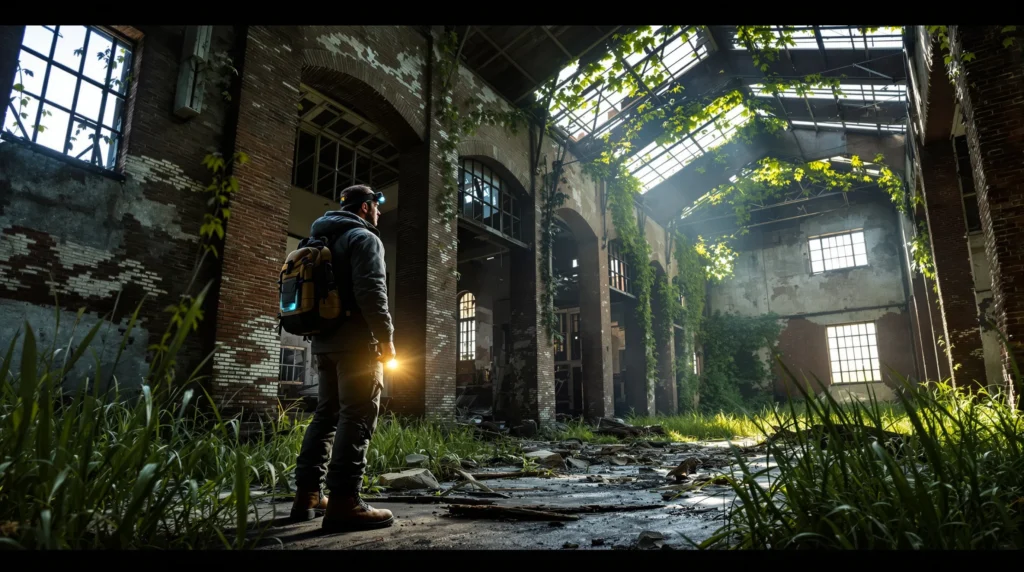
The first time I set foot inside an abandoned hospital, the air felt thick with stories. My flashlight beam caught a rusted wheelchair, frozen mid-corridor, and I wondered who had last sat there. If you’ve ever felt the pull of exploring abandoned places, you know it’s not just about broken windows and peeling paint. It’s about discovery, adrenaline, and sometimes, a little fear. Exploring abandoned places isn’t for everyone, but for those who crave adventure and a peek into forgotten worlds, it’s a treasure hunt like no other.
Why People Love Exploring Abandoned Places
Let’s be honest—most of us grew up hearing, “Don’t go in there!” when we passed a boarded-up house. But curiosity wins. Exploring abandoned places taps into that urge to see what’s behind the locked door. It’s about finding beauty in decay, and sometimes, it’s about facing your own fears. Some people chase the thrill, others want to photograph the past, and a few just want to say they did it. If you’re reading this, you probably get it.
The Allure of the Unknown
Every abandoned building has a story. Maybe it’s a school where laughter once echoed, or a factory that powered a whole town. When you step inside, you’re not just exploring abandoned places—you’re stepping into history. You might find old report cards, faded family photos, or a calendar stuck on a date decades ago. These details make the experience real and personal.
Who Should (and Shouldn’t) Explore
If you love adventure, history, and don’t mind a little dust, exploring abandoned places might be for you. But if you’re uncomfortable with risk, or you hate surprises, it’s probably not your thing. Some sites are dangerous, and not everyone enjoys the heart-pounding moment when a raccoon scurries out of the shadows. Here’s the part nobody tells you: it’s okay to walk away if it doesn’t feel right.
What You’ll Find: Hidden Treasures and Surprises
Let’s break it down. Not every abandoned place hides gold coins or secret rooms, but you’ll find treasures of a different kind. Sometimes it’s a mural painted by a long-gone student, or a stack of letters that never got mailed. I once found a 1970s lunchbox, still packed with a petrified sandwich. Gross? Maybe. Memorable? Absolutely.
- Artifacts: Old newspapers, toys, and tools tell stories you can’t find in textbooks.
- Architecture: From grand staircases to tiny servant’s quarters, the bones of a building reveal how people lived.
- Nature’s Comeback: Vines crawling through windows, trees growing in gymnasiums—nature always finds a way.
Here’s why these finds matter: they connect you to real people. You’re not just exploring abandoned places; you’re piecing together lives, one clue at a time.
Staying Safe While Exploring Abandoned Places
Let’s get real. Exploring abandoned places can be risky. Floors collapse, ceilings fall, and sometimes, you run into less-than-friendly squatters. I once stepped on a nail and limped for a week. Don’t be like me. Here’s what you need to know:
- Never go alone. Bring a friend. If you get hurt, you’ll need help.
- Wear the right gear. Sturdy boots, gloves, and a mask can save you from sharp objects and mold.
- Check the law. Trespassing is real. Some places are off-limits, and getting caught can mean fines or worse.
- Stay alert. Watch for weak floors, exposed wires, and wildlife. If something feels off, trust your gut.
Next steps: Before you head out, research the site. Look for recent photos, talk to other explorers, and always let someone know where you’re going. Safety isn’t optional—it’s the only way to keep exploring abandoned places for years to come.
How to Find the Best Abandoned Places
Here’s the secret: the best spots aren’t always on Google Maps. Sometimes, you hear about them from friends, or you spot them while driving. Online forums and social media groups are goldmines for tips. But don’t expect a full address—most explorers protect locations to keep them safe from vandals.
Research Like a Pro
- Start with local history books and old newspapers. They often mention buildings that have been left behind.
- Use satellite images to spot overgrown lots or empty buildings.
- Join online communities. Reddit’s r/urbanexploration and Facebook groups are full of leads.
Here’s the part nobody tells you: sometimes, the search is half the fun. You’ll drive down back roads, follow rumors, and maybe strike out a few times. But when you find that perfect spot, it’s worth every wrong turn.
What to Bring When Exploring Abandoned Places
Pack light, but pack smart. You don’t need a trunk full of gear, but a few essentials make all the difference:
- Flashlight (plus extra batteries)
- First aid kit
- Camera or phone for photos
- Water and snacks
- Protective clothing
- Notebook for jotting down discoveries
Pro tip: Always bring a charged phone, but don’t count on service. Some of the best abandoned places are in dead zones. If you’re serious about exploring abandoned places, consider a walkie-talkie for backup.
Lessons Learned from Exploring Abandoned Places
I’ve made mistakes. I’ve gotten lost, scared off by dogs, and once, I set off an alarm that brought the police. But every trip taught me something. Exploring abandoned places isn’t just about what you find—it’s about what you learn. You’ll get better at reading buildings, spotting danger, and trusting your instincts. You’ll also learn to respect the places you visit. Leave things as you found them, and never take souvenirs. The real treasure is the story you bring home.
Why Exploring Abandoned Places Matters
Here’s the truth: exploring abandoned places connects us to the past in a way museums can’t. You feel the weight of time, the echo of lives lived and lost. It’s not always pretty, but it’s always real. If you’ve ever struggled to find adventure in your daily routine, this might be your answer. Just remember, every explorer started as a curious outsider. The next hidden treasure could be waiting for you, just beyond the “No Trespassing” sign.