
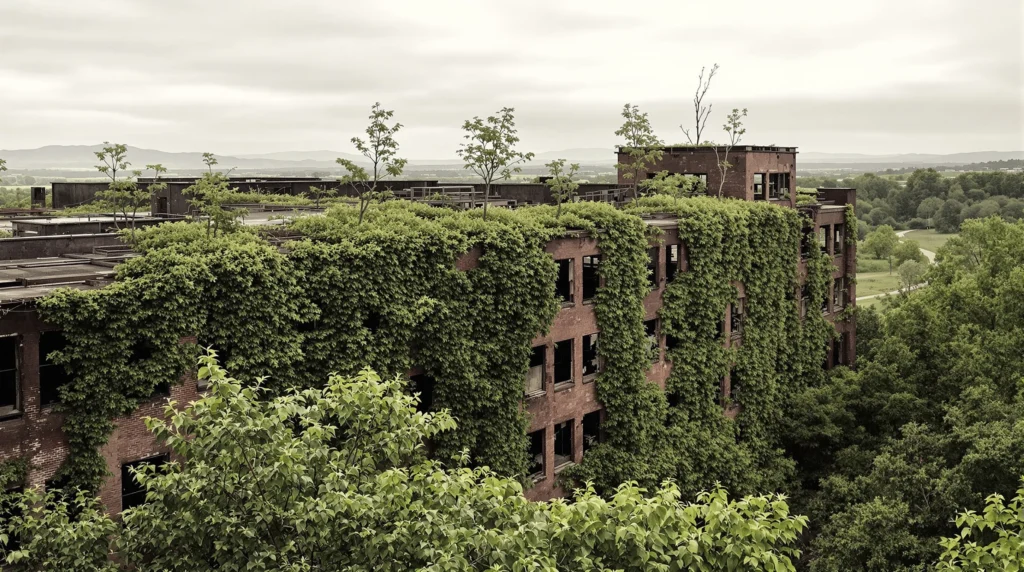
Picture this: You’re standing in the middle of an empty amusement park. The Ferris wheel creaks in the wind, paint peels from the ticket booth, and weeds push through the cracks in the pavement. This isn’t a movie set. It’s a real place, frozen in time. Welcome to the abandoned world—a patchwork of forgotten towns, empty factories, and silent schools scattered across the globe. If you’ve ever wondered what’s left behind when people walk away, you’re not alone. The abandoned world isn’t just about decay; it’s about stories, secrets, and the strange beauty that comes with loss.
Why the Abandoned World Captivates Us
Let’s be honest: there’s something magnetic about ruins. Maybe it’s the thrill of discovery, or the way silence echoes in empty halls. The abandoned world draws us in because it’s a mirror. It shows us what happens when time wins. If you’ve ever scrolled through photos of deserted hospitals or ghost towns, you know the feeling—a mix of curiosity, sadness, and awe.
Here’s why: Abandoned places force us to confront change. They remind us that nothing lasts forever, not even the things we build with our own hands. That’s both scary and freeing. It’s a lesson in letting go, and a chance to imagine what could come next.
Famous Spots in the Abandoned World
Some places in the abandoned world have become legends. They’re not just empty—they’re iconic. Let’s break it down:
- Pripyat, Ukraine: Once home to 50,000 people, this city emptied overnight after the Chernobyl disaster. Today, nature is taking over. Trees grow through apartment floors, and wild animals roam the streets.
- Hashima Island, Japan: Known as “Battleship Island,” this former coal mining hub now sits empty off the coast of Nagasaki. Its concrete buildings crumble, but its silhouette still haunts the sea.
- Centralia, Pennsylvania: An underground coal fire has burned here since 1962. The town’s population dropped from over 1,000 to less than a dozen. Smoke still seeps from the ground.
- Kolmanskop, Namibia: Once a diamond mining town, Kolmanskop is now half-buried in sand. Sunlight pours through broken windows, lighting up rooms filled with dunes.
Each of these places tells a different story, but they all share one thing: the abandoned world doesn’t erase history. It preserves it in dust and silence.
What’s Left Behind: Objects, Memories, and Ghosts
Here’s the part nobody tells you: The abandoned world isn’t just about empty buildings. It’s about the things people leave behind. In an old school, you might find textbooks open to the last lesson. In a deserted house, a family photo still sits on the mantel. These details hit hard. They make the past feel close enough to touch.
Sometimes, what’s left behind is less visible. It’s the memory of laughter in a playground, or the echo of footsteps in a hallway. The abandoned world is full of ghosts—not the spooky kind, but the memories that linger long after people are gone.
Why Places Get Abandoned
If you’ve ever wondered why entire towns disappear, you’re not alone. The abandoned world has many causes:
- Disaster: Natural or man-made disasters can force people to leave overnight. Think Chernobyl or Fukushima.
- Economic Collapse: When jobs vanish, so do people. Mining towns, factories, and even shopping malls can empty out fast.
- War and Conflict: Battles can turn thriving cities into ghost towns. The scars last for generations.
- Environmental Change: Rising seas, drought, or pollution can make places unlivable.
Here’s what’s surprising: Sometimes, abandonment isn’t sudden. It’s slow—a few families leave, then a few more, until only silence remains.
Who Explores the Abandoned World?
This isn’t for everyone. If you love comfort, order, and predictability, the abandoned world might feel unsettling. But if you’re curious, brave, and a little bit rebellious, you’ll find magic in these forgotten places. Urban explorers, photographers, and historians all flock to the abandoned world. They document, preserve, and sometimes even restore what’s left behind.
But there’s a risk. Many abandoned sites are dangerous—unstable floors, toxic chemicals, or wild animals. If you’re thinking about exploring, do your homework. Respect the law, and never go alone.
Lessons from the Abandoned World
Here’s what I’ve learned from wandering through the abandoned world: Everything changes. That’s not a bad thing. Abandonment can be sad, but it’s also a chance for renewal. Nature reclaims what we leave behind. Plants push through concrete. Birds nest in broken windows. The abandoned world is proof that life goes on, even when we’re gone.
If you’ve ever struggled with letting go—of a job, a relationship, or a dream—think about these places. They show us that endings aren’t failures. They’re just part of the story.
How to Experience the Abandoned World (Safely)
You don’t need to break into a crumbling hospital to experience the abandoned world. Here are some safer ways:
- Take a virtual tour. Many sites offer 360-degree views online.
- Visit legal, open-to-the-public sites. Some ghost towns and historic ruins welcome visitors.
- Read books or watch documentaries. “Abandoned America” by Matthew Christopher is a great start.
- Follow urban explorers on social media for stunning photos and stories.
Next steps: Pick one abandoned place that fascinates you. Learn its story. Share it with a friend. The abandoned world is full of lessons—if you’re willing to look.
The Future of the Abandoned World
Here’s a twist: Not all abandoned places stay empty. Some get new life as museums, parks, or art spaces. Others become cautionary tales, reminders of what happens when we ignore warning signs. The abandoned world isn’t just about the past. It’s about what we choose to remember—and what we decide to rebuild.
If you’re drawn to the abandoned world, you’re not alone. You’re part of a community that finds beauty in broken things, hope in ruins, and meaning in what’s left behind. That’s a story worth telling.