
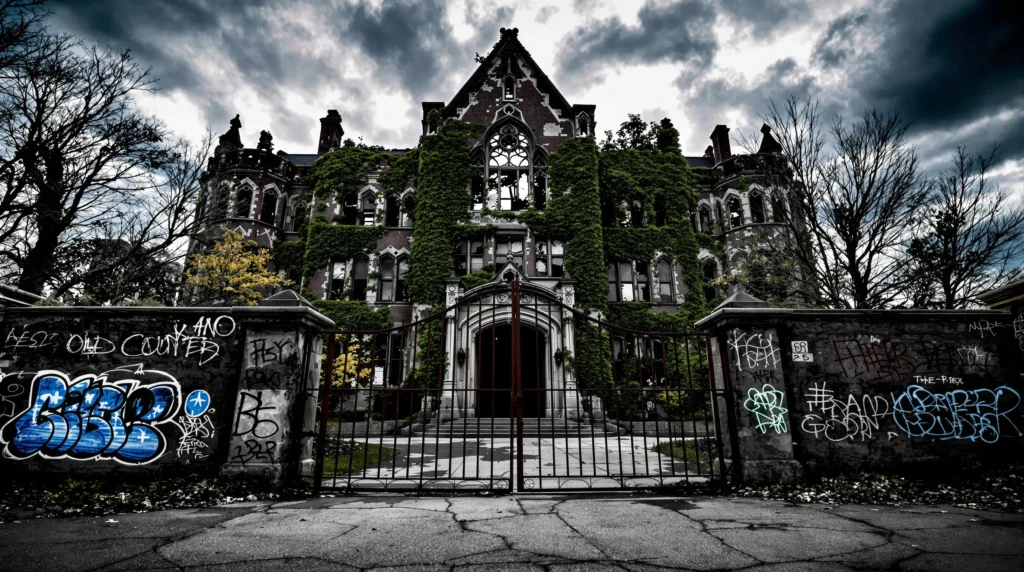
Picture this: You’re standing in the middle of a crumbling ballroom, sunlight streaming through broken stained glass, dust swirling in the air. The silence is thick, but you can almost hear the echoes of laughter and jazz from a century ago. That’s the magic of abandoned places in Chicago. These forgotten corners aren’t just empty—they’re time machines, each with a story that’s both haunting and irresistible. If you’ve ever wondered what secrets the city hides behind boarded-up doors, you’re in the right place.
Why Are There So Many Abandoned Places in Chicago?
Chicago’s history is a wild ride. Booms, busts, fires, and floods have all left their mark. The city grew fast, sometimes too fast, and when industries moved or neighborhoods changed, buildings got left behind. Some spots fell victim to economic downturns, others to shifting trends. The result? A patchwork of abandoned places Chicago locals whisper about but rarely visit.
Here’s the part nobody tells you
Not every abandoned place in Chicago is a relic of failure. Some are monuments to ambition, frozen in time. Others are reminders of how quickly fortunes can change. If you’re curious, you’ll find more than just empty rooms—you’ll find lessons in resilience, loss, and hope.
Chicago’s Most Fascinating Abandoned Places
Let’s break it down. These aren’t just any old buildings. Each one has a personality, a backstory, and a few surprises up its sleeve.
- Cook County Hospital: For decades, this massive building was the heart of Chicago’s public health system. Walk its empty halls and you’ll feel the weight of a million stories—births, recoveries, heartbreaks. The hospital sat abandoned for years, its faded grandeur attracting urban explorers and film crews. (Fun fact: It starred in “The Fugitive.”)
- St. Stephen’s Church: Once a beacon for the Polish community, this church’s soaring ceilings and intricate woodwork now gather dust. Pigeons have replaced parishioners, but the stained glass still glows on sunny days.
- Pullman Factory: The birthplace of the Pullman sleeping car, this site helped shape American labor history. Parts of the complex are restored, but other sections sit eerily quiet, their brick walls covered in ivy and graffiti.
- Edgewater Medical Center: This hospital closed in 2001 after a Medicare fraud scandal. Since then, it’s become a favorite for photographers and ghost hunters. The operating rooms still hold rusty equipment, and the silence is almost deafening.
- South Works Steel Mill: Once one of the largest steel mills in the world, South Works sprawls along Lake Michigan’s edge. The site is mostly rubble now, but you can still find twisted metal and the skeletons of old machines.
What Draws People to Abandoned Places in Chicago?
If you’ve ever felt the urge to peek behind a locked door, you’re not alone. Abandoned places Chicago fans come from all walks of life—photographers, history buffs, thrill-seekers, and even families looking for a different kind of adventure. There’s something about these spaces that pulls you in. Maybe it’s the mystery, maybe it’s the beauty in decay, or maybe it’s the chance to see a side of the city most people ignore.
Here’s why
Exploring abandoned places in Chicago isn’t just about the thrill. It’s about connecting with the past, seeing the city’s scars, and imagining what could be. Every peeling wall and shattered window tells a story. Sometimes, you’ll stumble on old letters, forgotten toys, or murals that make you stop and think. These moments stick with you.
Is It Legal to Visit Abandoned Places in Chicago?
Let’s get real. Most abandoned places in Chicago are private property. Trespassing is illegal, and some sites are downright dangerous. Floors can collapse, asbestos lurks in the walls, and security guards don’t always have a sense of humor. If you’re tempted to explore, do your homework. Some locations offer official tours or open houses. Others are best admired from a safe distance.
- Always check property status before visiting
- Wear sturdy shoes and bring a flashlight
- Never go alone—bring a friend
- Respect the site and leave everything as you found it
If you’re looking for a safer way to experience abandoned places Chicago has to offer, try virtual tours or photography exhibits. You’ll get the chills without the risk.
Who Should (and Shouldn’t) Explore Abandoned Places?
This isn’t for everyone. If you love history, photography, or a good mystery, you’ll find these places fascinating. If you’re squeamish about dust, darkness, or the occasional raccoon, maybe stick to the museums. Parents, think twice before bringing young kids—some sites are unsafe, and the atmosphere can be intense.
Next steps
If you’re ready to explore, start with well-known spots that offer guided access. Bring your camera, a notebook, and an open mind. You’ll see Chicago in a way most people never do.
Lessons from Chicago’s Abandoned Places
Here’s the truth: Every abandoned place in Chicago is a lesson in impermanence. Buildings that once buzzed with life can fall silent in a heartbeat. But there’s beauty in that silence. These places remind us to pay attention, to ask questions, and to honor the stories that came before us.
If you’ve ever struggled to find meaning in the city’s chaos, spend an afternoon with its forgotten spaces. You’ll come away with a new appreciation for what endures—and what doesn’t.
Final Thoughts: The Secret Life of Chicago’s Forgotten Spaces
Abandoned places in Chicago aren’t just empty shells. They’re living archives, full of secrets and surprises. Whether you’re a seasoned explorer or just curious, these sites offer a glimpse into the city’s hidden heart. Respect them, learn from them, and maybe—just maybe—let them change the way you see Chicago.