
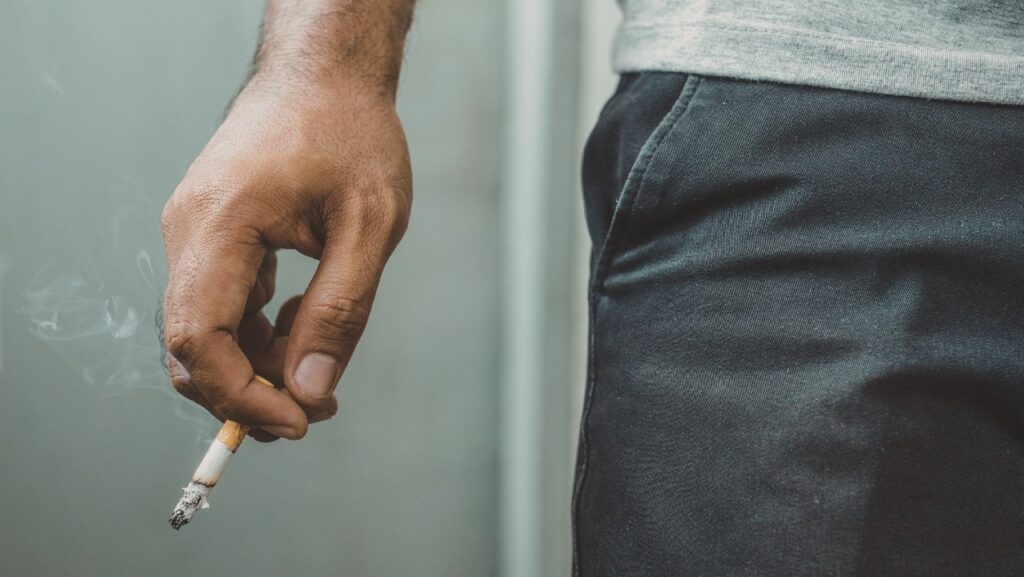
Adventure holidays tend to change what feels normal.
Things that barely register at home start to stand out when you’re somewhere remote, carrying what you need for the day, or adjusting to conditions that aren’t forgiving. It’s not a dramatic shift, just a gradual one. You notice what fits into that environment without effort and what starts to feel like a complication.
Smoking is one of the habits that tends to move into that second category fairly quickly.
When the Environment Makes It Obvious
In places like rainforests or protected natural areas, the contrast is hard to ignore once you’re actually in it.
Everything around you is part of a cycle. Organic material breaks down, disappears, and feeds back into the environment. That’s part of what makes those places feel the way they do. Cigarette filters sit completely outside that cycle. They don’t break down in any meaningful timeframe and once you notice them, they stand out immediately.
That difference becomes more noticeable the longer you’re there. It’s not just about what’s left behind, it’s about how out of place it looks compared to everything else around it.
Nicotine pouches don’t create that same issue. They’re designed to break down rather than persist, so you’re not leaving behind something that lingers in an environment where everything else returns to it. It’s a small detail, but in those settings it becomes a very visible one.
From a practical point of view, it also removes the need to deal with ash, ends, or anything that needs managing afterwards, which matters more once you’re carrying everything with you.
Fire Risk Changes the Calculation
In dry regions, the situation shifts from environmental impact to immediate risk.
Places like Australia, along with large parts of southern Europe and the US, operate with a constant awareness of fire. Heat, dry ground, and wind mean that even a small ignition source matters more than it would in other settings. Cigarettes fall directly into that category, which is why they’re restricted in certain areas and treated seriously in others.
Vapes change the mechanism but not the underlying concern. There’s no combustion, but there is still heat and there are still batteries. In remote environments, where conditions are harsher and help isn’t immediately available, that’s not always something people want to rely on.
Nicotine pouches remove both of those variables completely. There’s no flame, no heat source, and nothing that can act as an ignition point. In places where people are already paying attention to fire risk, that makes them far easier to work around without having to think about it.
Altitude Is a Different Problem Entirely
At higher elevations, the environment stops being the main factor and your body takes over.
Reduced oxygen changes how everything feels. Breathing becomes more noticeable, fatigue sets in more quickly, and headaches are common. Part of being at altitude is working out whether what you’re feeling is expected or something that needs attention.

Nicotine, even when it’s used in pouches rather than smoked, doesn’t help in that situation.
It causes vasoconstriction and raises blood pressure, which can slightly increase circulation. That can take the edge off certain symptoms, particularly headaches, but it doesn’t address the underlying problem, which is reduced oxygen availability. More importantly, it can mask symptoms, which makes it harder to judge how your body is actually responding.
That matters because the real solutions are straightforward and rely on recognising what’s happening early. Descending, slowing down, or using medical support that improves oxygen uptake are what actually resolve the issue. Nicotine doesn’t contribute to any of those.
Why Caffeine Tends to Work Better at Altitude
Caffeine fits into that same environment much more easily because it works with what your body is trying to do rather than against it.
It improves alertness, reduces fatigue, and helps maintain performance over long days, which becomes increasingly important when everything takes more effort. At altitude, it also stimulates breathing, which supports the body’s attempt to adapt to lower oxygen levels.
There’s a long-standing assumption that caffeine leads to dehydration, but in moderate amounts that isn’t what happens as long as overall hydration is maintained. In practical terms, it behaves like a normal part of fluid intake rather than something that works against it.
One detail that does become important is consistency. If you regularly consume caffeine and suddenly stop, the resulting withdrawal headache can feel very similar to early altitude symptoms. That overlap is something most people prefer to avoid, so maintaining a steady intake tends to make more sense than cutting it out completely.
Caffeine pouches fit into this for the same reasons nicotine pouches do. They’re compact, easy to carry, and don’t require stopping or preparing anything. You can use them without interrupting what you’re doing, which is often the priority on longer or more technical days.
It Comes Down to What Holds Up
Adventure travel has a way of filtering things down to what actually works.
You notice what’s easy to carry, what fits into the day without effort, and what doesn’t create extra problems. Anything that feels like a complication stands out far more quickly than it would at home.
Smoking, in a lot of these environments, tends to fall into that category.