
When it comes to travel trends, going solo has been in vogue for a long time due to the freedom and flexibility it offers. According to a CivicScience survey, 53% of U.S. adults wanted to travel for leisure in 2025. Among these, 36% had plans for a solo trip, most of them belonging to the under-45 demographic.
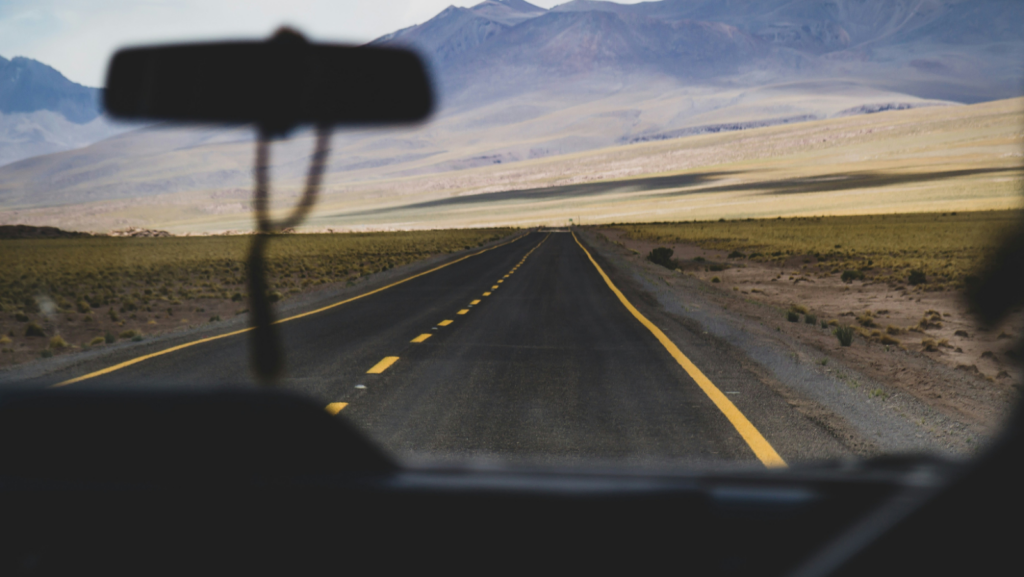
Solo trips can get even more exciting when you go by road. The thought of setting off on your own, with endless roads ahead and no fixed rules, offers a rare sense of freedom. However, the idea of being in the middle of nowhere can be a little nerve-wracking. It requires preparation, awareness, and flexibility to embrace the unexpected.
In this article, we have some valuable insights for first-time solo road trippers to make their journey memorable, safe, and deeply rewarding.
Have the Right Mindset
Before you pack your bags or map your route, it starts in your mind. Solo travel isn’t just about seeing new places; rather, it is also about discovering parts of yourself. PsychologyToday notes that traveling alone is like getting permission to be who you want with greater assertiveness. You have access to the sensations and thoughts that may be blocked when others are around.
You’ll spend long hours alone, make choices without consulting anyone, and face occasional doubts. That’s all part of the adventure. Adopting a mindset of curiosity and flexibility gives you a great start. Instead of focusing on potential problems, focus on possibilities and learn from your mistakes.
Confidence and self‑trust grow naturally during solo road trips. You realize that being alone on the highway doesn’t mean being lonely. Gas‑station chats, a smile from a local, or watching the sunset in silence all enrich the journey in ways group travel rarely does.
Prepare Your Vehicle
A reliable vehicle is your best travel companion, even more so when you plan to hit the highway alone. Before embarking on the adventure, schedule a full service check. Ask your mechanic to inspect brakes, engine oil, battery, tires, air filters, and lights. Ensure that your spare tire, jack, and toolkit are in good shape.
At the same time, keep an emergency kit with essentials at hand. This should have jumper cables, tire repair tools, a flashlight and extra batteries, and a first aid kit. Also, pack water bottles, blankets, a power bank, and non‑perishable snacks to keep you safe during unexpected breakdowns.
If your route includes remote areas, consider carrying extra fuel in an approved metal can. Download offline maps and know how to change a tire. Those small skills can save hours of stress when help is far away. Also, check for 24/7 roadside assistance coverage and familiarize yourself with local traffic laws or toll systems before departing.
Plan Your Route
One of the charms of a solo road trip is the flexibility to go wherever you choose, but you cannot overlook the need for smart planning. Start with a realistic itinerary. Map key stops for refueling, meals, and overnight stays, so that you can avoid driving for more than eight hours a day. Fatigue can sneak up on you faster than expected.
When choosing a route, keep accident rates and road safety in mind. For example, Cleveland is notorious for unsafe roads. According to the Accident Data Center, the city witnesses over 15,000 traffic accidents annually, with hundreds of them leading to serious injuries or fatalities. Although an auto accident attorney in Cleveland can help you after a crash caused by a negligent driver, it is best to be cautious.
Piscitelli Law Firm notes that such cases come under the personal injury law that entitles victims to fair compensation. However, solo road travelers must avoid high-risk routes. Use navigation apps like Google Maps or Waze to track real‑time traffic and road closures. Mark interesting attractions along your path, such as scenic viewpoints, local diners, or hiking trails.
Commit to Safe Driving
Safety should never take a back seat, especially when driving across unknown terrain alone. The best way to enjoy the road is to respect it. Follow the speed limits, wear your seatbelt, and avoid risky overtaking maneuvers. Plan rest breaks every few hours to stretch, hydrate, and clear your mind. Never drive when tired, and avoid relying entirely on caffeine for alertness.
When you are alone on the road, keeping friends or family updated on your route and schedule makes sense. Even better, share your live location through an app or send updates at major stops. Many navigation tools allow trusted contacts to track your trip in real time. This will add an extra layer of safety to your solo adventure.
Avoid parking in isolated areas at night. If staying in your car overnight, choose secure, well-lit rest stops or campgrounds. Trust your instincts; if a place feels unsafe, move on. Most importantly, never drink and drive. Even one careless moment can turn an amazing journey into a disaster.
Embrace Spontaneity
The Travel Psychologist highlights the importance of spontaneity for travelers. Being spontaneous is about letting go and giving up control. You may find a restaurant unexpectedly or come across a place that you can really enjoy. There is something quite magical about stumbling on places that appear unassuming but turn out to be amazing.
While planning is essential, over‑planning can take the fun out of the road trip experience. Leave space in your schedule for detours, unexpected discoveries, and long pauses at places that capture your heart. These unscripted experiences have the potential to become the highlight of the entire journey.
Solo travel offers total control over your time as you are on your own. If you love a spot, stay longer and soak up the experience. If you’re not feeling a location, move on. The freedom to adapt on a whim is one of the biggest perks of going solo.
FAQs
What do solo trips teach us?
Solo trips teach independence, resilience, and self-awareness. When you rely solely on your decisions, you learn to solve problems, manage fears, and enjoy your own company. They push you out of your comfort zone, revealing both your strengths and insecurities and helping you grow from both.
Why do travelers love road trips?
Road trips combine the thrill of travel with the comfort of personal control. Unlike flights or tours, the road invites exploration at your own pace. You can stop anywhere, listen to your favorite playlist, and enjoy changing landscapes. It’s the perfect blend of adventure and introspection for someone who takes pleasure in being alone.
How to ensure safety during solo trips?
Safety begins with preparation. Keep your vehicle in top condition, maintain your phone’s battery, and share your location with someone you trust. Avoid driving late at night or through unfamiliar routes without sufficient fuel or daylight. Keep cash, identification, and emergency contacts easily accessible. Above all, trust your instincts and change the plan if something seems amiss.
Your first solo road trip will probably not go exactly as planned, but that’s the beauty of it. From flat tires to breathtaking detours, everything adds to the story. With the right mindset, careful preparation, and an open heart, the journey can be transformative. As miles unfold under your wheels, remember that the road doesn’t just lead you somewhere new; rather, it brings you closer to yourself.