
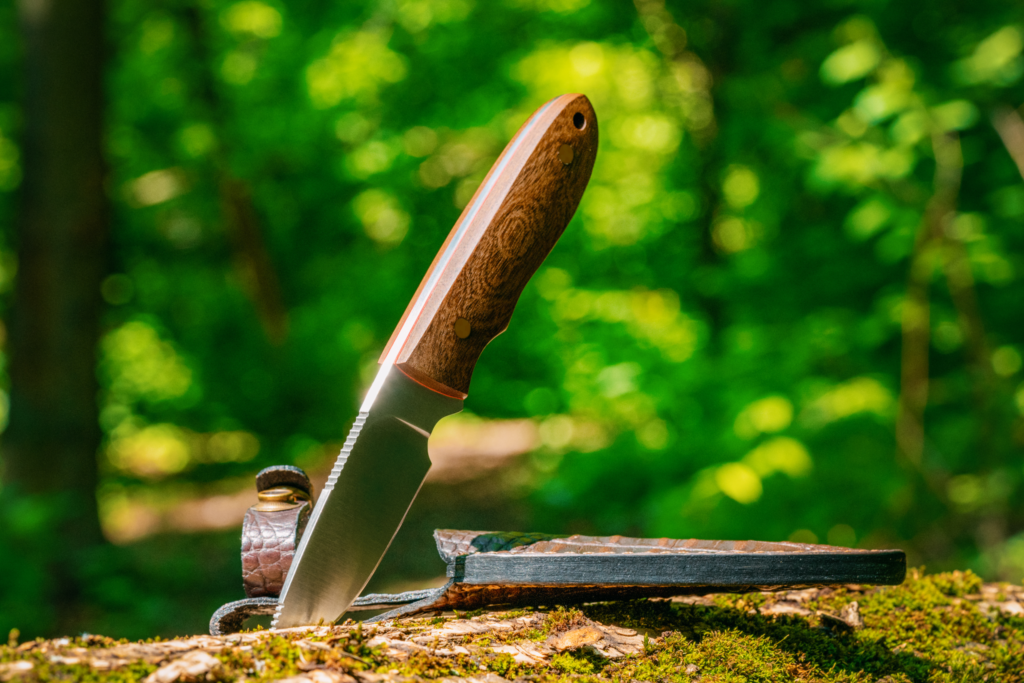
Whether you are navigating the rugged trails of the Scottish Highlands, setting up camp in the Lake District, or tackling tough DIY projects around the home, having a dependable cutting tool is non-negotiable. A reliable knife is one of the most important tools you can carry outdoors. Whether you’re preparing firewood, cutting rope or making camp repairs, the right blade makes every task easier and safer.
However, with countless options available on the market today, selecting the right blade for your specific needs can feel overwhelming. From blade geometry and steel composition to handle materials and deployment mechanisms, every detail influences performance. This guide breaks down everything you need to consider when choosing a tool that will never let you down.
Key Factors to Consider When Choosing an Outdoor Knife
Selecting the ideal blade requires balancing practical functionality with portability. To make an informed decision, focus on these core elements:
1. Fixed Blade vs. Folding Mechanisms
- Fixed Blades: Renowned for maximum strength and simplicity. Because there are no moving parts, a full-tang fixed blade can endure heavy-duty tasks like batoning firewood or heavy levering without mechanical failure.
- Folding and Multitool Blades: Perfect for versatility and everyday carry (EDC). Modern folding mechanisms offer rapid single-handed deployment, secure locking systems, and compact profiles that fit comfortably in a pocket or on a belt.
2. Steel Quality and Edge Retention
The performance of any cutting tool hinges on its metallurgy. Stainless steels offer high corrosion resistance, making them ideal for damp coastal environments or unpredictable UK weather. Modern high-grade alloy steels strike an excellent balance, delivering exceptional wear resistance, toughness, and long-lasting edge retention.
Matching Your Tool to the Mission
No single tool excels at every task. Understanding your primary environment ensures you pick a tool tailored to your demands.
Bushcraft and Heavy Camping
If your adventure involves wilderness survival, shelter building, or fire craft, prioritize structural integrity. Look for robust construction, comfortable ergonomics that prevent hand fatigue, and a spine capable of striking a ferrocerium rod to spark a campfire.
Everyday Carry (EDC) and Quick Maintenance
For daily trade work, outdoor maintenance, or light trekking, convenience takes priority. A compact pocket tool or multitool integrated blade allows you to handle opening packages, cutting rope, or prepping gear on the go.
When searching for the perfect balance between compact sizing, multi-functional utility, and relentless durability, exploring dedicated collections of high-grade utility and pocket knives ensures you carry a tool engineered to withstand decades of hard use.
Care and Maintenance: Ensuring Long-Term Performance
A quality tool is an investment built to last, but regular maintenance is vital to preserve its edge:
- Clean After Every Use: Wipe the blade clean and thoroughly dry it after exposure to rain or organic material.
- Maintain the Pivot and Lock: For folding designs, periodically clear dust from the locking mechanism and apply a drop of machine oil to the pivot point.
- Keep It Sharp: Touch up the bevel regularly using a diamond stone or ceramic rod to prevent accidental slippage caused by a dull edge.
Ready for Whatever Comes Next
The right tool isn’t just an item in your kit bag—it is a commitment to self-reliance and readiness. Inspect your gear, choose with precision, and step into your next adventure with complete confidence.
Frequently Asked Questions (FAQ)
What steel is best for outdoor knives in the UK climate?
High-grade stainless steel or corrosion-resistant alloy steels are best for the UK’s damp climate. They resist rust while maintaining excellent edge retention during extended outdoor use.
Are folding blades strong enough for heavy camping tasks?
Yes, modern locking mechanisms (such as frame locks or liner locks) offer extreme stability for most outdoor tasks. However, for heavy batoning or wood splitting, a full-tang fixed blade remains the strongest option.
How often should I sharpen my knife?
It depends on usage, but it is best to touch up the edge as soon as you notice a reduction in slicing efficiency. Regular light honing is much easier than re-profiling a completely dull blade.