
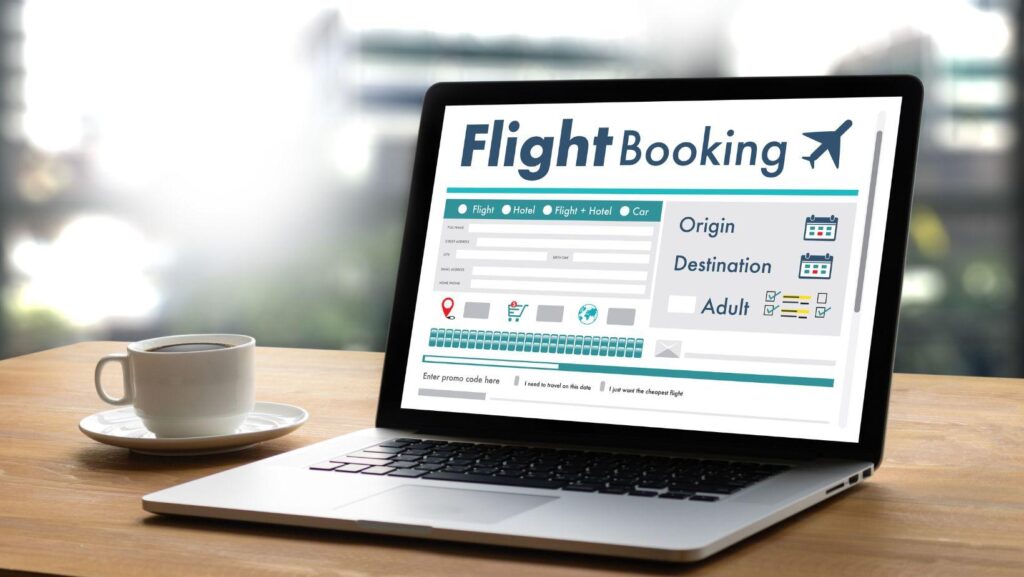
For a small team taking the occasional trip, business travel can seem straightforward. Someone finds a decent fare, books a hotel near the meeting, and submits the receipts later. Simple enough.
But that version of travel tends to disappear the moment a business starts growing, travelling more often, or sending people to multiple cities and countries. At that point, travel stops being a series of individual bookings and becomes an operational challenge. Costs become harder to track. Policies get inconsistently applied. Travellers need support at odd hours. Risk management moves from a vague concern to a real responsibility.
In other words, business travel eventually becomes less about reservations and more about systems.
The Shift From Occasional Trips to Travel Operations
The tipping point often comes quietly. A company doesn’t wake up one day and decide it now has a “travel programme.” Instead, small inefficiencies start to pile up.
A finance team notices duplicate expenses and wildly different hotel rates for the same destination. Managers realise employees are booking outside policy because the policy is too hard to find or too vague to follow. Travellers get frustrated when an itinerary changes mid-trip and no one knows who is supposed to help. Then there’s the question few companies think about early enough: if an employee is delayed, stranded, or caught in a disruption overseas, who is monitoring that in real time?
These aren’t rare edge cases. They’re what travel looks like once it becomes frequent enough to affect budgets, productivity, and employee wellbeing.
Why Booking Tools Alone Aren’t Enough
Plenty of organisations try to solve the issue with a simple booking platform. That can help, but it rarely addresses the wider problem. Booking is just one piece of the puzzle. The harder part is building consistency around how travel decisions are made, approved, supported, and analysed.
Policy Without Friction
A travel policy only works if people can actually follow it. If employees need to compare five sites, guess which fare is acceptable, and chase approval by email, compliance will drop. Not because people are careless, but because friction always wins.
A better approach is one where policy is embedded into the process itself. Preferred suppliers, spending limits, approval flows, and reporting standards shouldn’t sit in a PDF no one opens. They should show up at the point of booking and continue through the trip lifecycle.
Cost Control Through Visibility
Travel spend has a habit of hiding in plain sight. Flights may be easy to track, but what about last-minute changes, baggage fees, airport transfers, or bookings made outside the usual channels? Without consolidated reporting, businesses end up managing spend reactively rather than strategically.
That’s one reason many growing companies start exploring business travel management solutions that bring booking, policy, traveller support, and data into a more coherent structure. The real value isn’t just convenience. It’s visibility: understanding where money goes, where policy breaks down, and where better decisions can be made before costs escalate.
Duty of Care Is No Longer Optional
There was a time when duty of care in business travel was treated as a nice-to-have. That’s changed. Weather disruptions, strikes, political instability, cyber risks, and health-related issues have made travel support far more important than it used to be.
If your employees are travelling on behalf of the business, you need to know where they are, how to reach them, and what support exists if something goes wrong. That doesn’t mean micromanaging travellers. It means having a credible framework for assistance.
What Travellers Actually Need on the Road
The most effective travel programmes tend to cover a few core needs:
None of that feels especially glamorous, but it matters. A traveller dealing with a cancelled connection at 11 p.m. is not thinking about procurement strategy. They just need help quickly, and they need to trust that the business has planned for this.
Traveller Experience Affects Performance More Than Companies Admit
There’s also a human side to all of this that often gets overlooked. Business travel can be productive, but it can also be draining. Tight connections, unclear reimbursements, poor hotel choices, and repetitive admin all add friction to an employee’s working life.
That friction has a cost. People arrive tired, distracted, and less prepared. Frequent travellers, in particular, can become disengaged if every trip feels harder than it needs to be.
Convenience Is Not a Luxury
Some leaders still view traveller comfort as separate from business efficiency. In practice, the two are closely linked. If an employee spends an extra hour navigating a clunky booking process or resolving an avoidable expense issue, that’s not discipline. It’s lost productivity.
The best travel programmes balance cost control with practicality. They recognise that the cheapest option isn’t always the smartest one, especially if it creates delays, fatigue, or administrative overhead later.
Data Turns Travel From Expense to Strategy
One of the biggest differences between ad hoc travel and managed travel is the ability to learn from the data. When businesses can see travel patterns clearly, they can negotiate better rates, adjust policies based on real behaviour, and identify where spending is justified versus wasteful.
For example, if data shows repeated last-minute bookings on a certain route, that may point to poor planning, but it could also reveal a sales cycle that requires flexibility. If hotel spend is high in one city, the issue may not be non-compliance at all; it may be that policy limits no longer reflect market realities.
That kind of insight helps companies move beyond blanket rules. Instead of asking, “How do we spend less?” the better question becomes, “How do we spend more intelligently?”
The Real Test Is What Happens When Plans Change
Travel always looks manageable when everything runs on time. The real measure of a business travel approach is what happens when it doesn’t.
Flights are delayed. Meetings move. Borders shift. Weather interrupts routes. An employee needs to extend a stay or come home early. In those moments, the quality of a company’s travel process becomes obvious very quickly.
Booking the trip is the easy part. Supporting the trip, controlling the spend, protecting the traveller, and learning from the outcome—that’s where business travel becomes a discipline rather than a task.
And once a company reaches that stage, it usually needs more than a flight confirmation and a hotel receipt. It needs a travel framework that works in the real world, where movement is unpredictable and business doesn’t pause just because an itinerary does.