
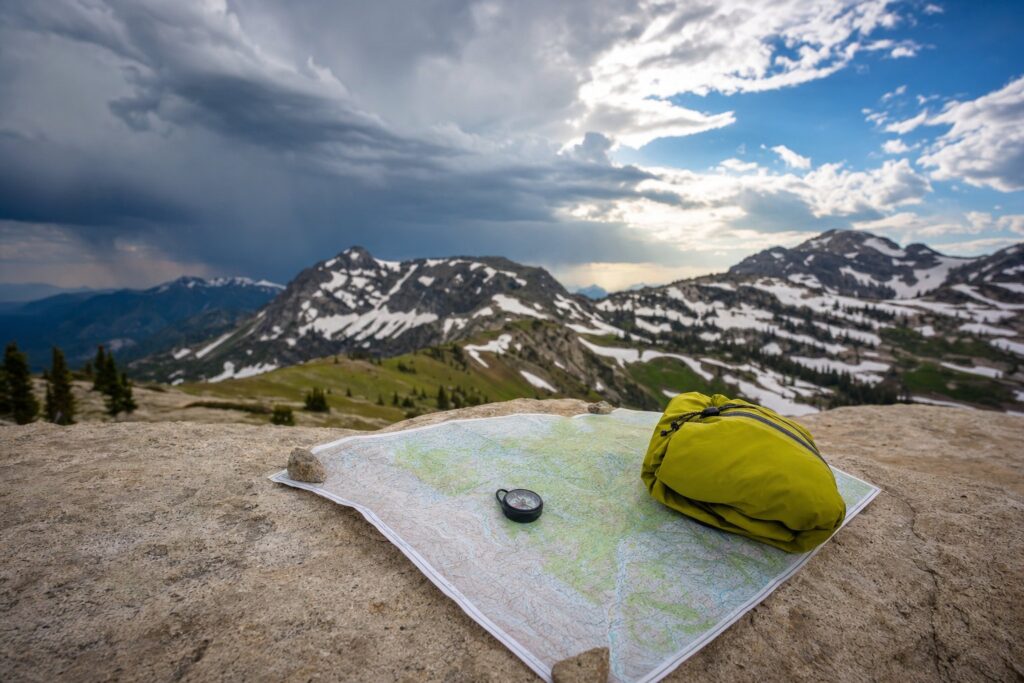
Mountain adventure planning now requires more than simply checking the forecast. Shifting weather patterns are introducing new risks and decision points for trekkers and climbers. Effective plans today must consider unfamiliar conditions and rapid weather changes to keep trips safe and satisfying.
As you plan your next mountain adventure, understanding the increasing influence of weather on route selection and safety is essential. Geneva To Les Gets Transfers has become just one component of a much broader set of planning steps shaped by changing weather realities. Variables such as unseasonal warmth, sudden storms, and rapid temperature swings are now affecting everything from gear choices to timing. Recognising these risks and making informed decisions helps ensure both enjoyable and responsible experiences in the mountains.
Changing weather conditions and new planning factors
In recent years, greater unpredictability has made weather a primary concern for adventure travellers. Where past planning could often rely on historical seasonality, today’s conditions are often marked by unseasonal warmth, rapid freeze-thaw cycles, and sudden changes in precipitation.
Many outdoor enthusiasts now encounter heavier rainfall, more frequent wind storms, and longer periods of low visibility. These factors make it vital to monitor not just daily forecasts but the broader patterns influencing mountain conditions. Recognising these trends early can inform your route and timing choices.
Temperature fluctuations are also creating challenges with traditional seasonal boundaries. Mountain regions that once experienced predictable snow cover into late spring now face inconsistent conditions, with bare ground appearing weeks earlier than historical norms. This variability affects not only winter sports enthusiasts but also summer hikers who may encounter unexpected snowfields or ice patches on trails typically clear by certain dates. Understanding these shifting timelines requires consulting recent trip reports, local guide services, and real-time trail condition updates rather than relying solely on guidebook information that may be based on outdated seasonal patterns.
Assessing safety risks and adapting your approach
Variable weather presents new safety challenges for mountain travellers. Rapid temperature changes can raise avalanche risk in snow terrain and trigger dangerous rockfall in summer conditions. Assessing river levels also becomes more complex when storms or melt events quickly affect flows.
Instead of only focusing on potential hazards, it is important to develop adaptable decision-making frameworks. This includes setting personal “go” or “no-go” thresholds in advance and building in buffer days to manage unexpected changes. Les Gets in the Summer demonstrates why adjusting plans daily can be essential for both safety and enjoyment.
Reading forecasts and making informed decisions day to day
Success in the mountains increasingly depends on using detailed, multi-day forecasts and real-time nowcasts. Looking beyond basic forecasts allows you to identify trends such as changing wind speeds at ridge level or moving rain and snow lines, both of which affect route safety.
Mountain-specific indicators like freezing level, wind direction, and precipitation type offer valuable clues about actual on-the-ground conditions. Checking these details and sharing them clearly within your group keeps everyone prepared and helps you respond if sudden changes require a route adjustment.
Designing resilient itineraries, equipment, and routines
Building a flexible mountain plan means including conservative elevation gains, easy bailout points, and alternative access strategies. These adjustments give you options if weather worsens, allowing you to retreat or shift objectives while staying within safety margins.
Your clothing and equipment choices should also allow you to manage swings in temperature, wind, and precipitation. Prioritising reliable layering systems, waterproof clothing, gear for sudden icy conditions, and emergency shelters helps ensure readiness for abrupt shifts. Regular check-ins, established routines for decision-making, and effective group communication help maintain awareness and facilitate prompt decisions as conditions change.