
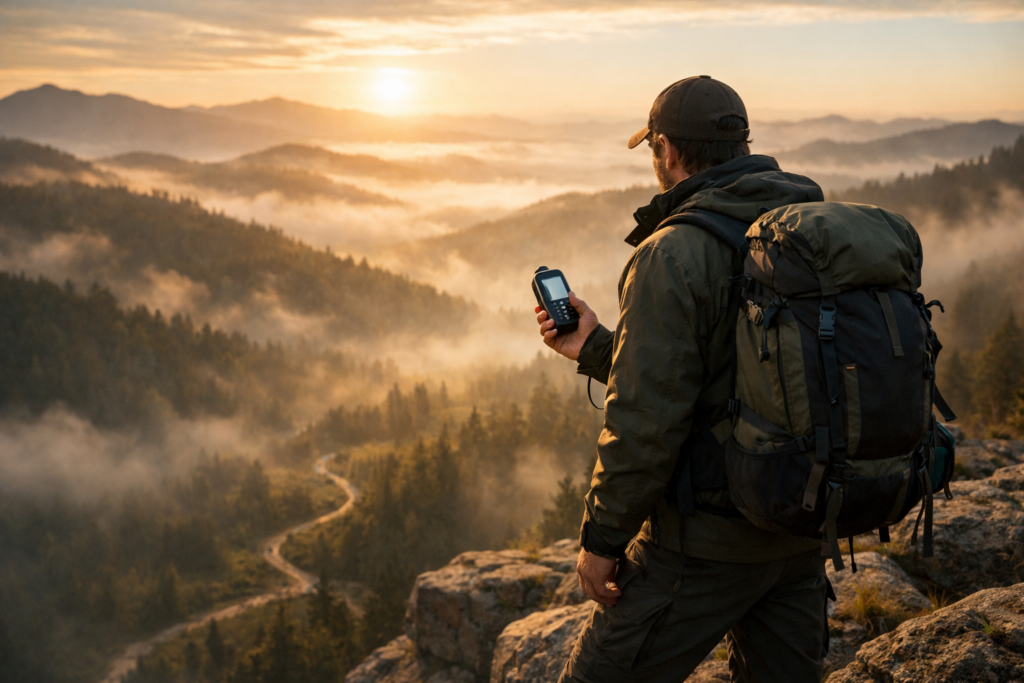
Picture this: you’re standing on a misty cliff after a long, challenging hike, the wind tugging at your jacket and your heart pounding with exhilaration. Below, valleys stretch endlessly, trails twist through forests, and the world feels both vast and alive.
Every step has been a thrill, but a small worry nags at the back of your mind: what if you lose your way?
That’s where a GPS tracker comes in. More than just a gadget, it’s your silent adventure companion, guiding you, keeping you safe, and letting you explore with confidence. Whether you’re navigating rugged mountains, paddling through wild rivers, or venturing into remote trails, a GPS tracker ensures your journey is as fearless as it is unforgettable.
What Is a GPS Tracking System and How Does It Work?
At its core, GPS tracking solutions are navigation devices that use a network of satellites orbiting the Earth to determine your exact location. By communicating with multiple satellites at once, the tracker can calculate where you are with impressive accuracy, whether you’re deep in the mountains, surrounded by forest, or far from marked trails.
Unlike smartphones, which often depend on cellular networks to load maps or share locations, GPS trackers are designed to work even when cell service disappears. This makes them especially valuable for adventure travel, where remote locations and unpredictable conditions are part of the journey.
Once activated, a GPS tracker continuously records your position as you move. Many devices allow you to view your route, mark important waypoints, and retrace your steps if needed, helping you stay oriented and confident throughout your adventure.
Types of GPS Trackers Adventurers Commonly Use

There are several types of GPS trackers, each suited to different kinds of adventures:
- Handheld GPS Devices: Built for rugged environments, handheld trackers are durable, weather-resistant, and ideal for off-grid exploration. They often feature long battery life, offline maps, and precise navigation tools, making them a favorite among hikers and trekkers.
- Wearable GPS Trackers: Compact and lightweight, wearable trackers attach easily to your wrist, belt, or backpack. They’re perfect for adventurers who want hands-free tracking while hiking, cycling, or kayaking, without carrying extra gear.
- Smartphone-Based GPS Trackers: These rely on apps and built-in GPS features. While convenient for short or casual trips, they depend heavily on battery life and signal strength, which can be limiting in remote areas.
Why Every Adventurer Should Carry a GPS Tracker
Carrying a GPS tracker is no longer just for professionals or extreme explorers; it has become an essential tool for anyone who enjoys outdoor adventure.
Whether you’re planning a short hike or a multi-day journey into remote terrain, a GPS tracker provides safety, direction, and peace of mind. It allows adventurers to explore confidently, knowing they are prepared for the unexpected while staying focused on the experience itself.
Safety First
Nature is unpredictable. Trails can vanish, weather can change suddenly, and unfamiliar landscapes can be disorienting. A GPS tracker acts as a reliable safety companion, helping you stay oriented when conditions are less than ideal.
With a GPS tracker, you can:
- Identify your exact location at any moment, even in dense forests, rugged mountains, or unfamiliar terrain where landmarks are hard to recognize.
- Navigate back to safety if you lose your way, using saved routes, breadcrumb trails, or waypoint navigation to retrace your steps confidently.
- Send emergency SOS alerts on supported devices, instantly notifying rescue services or emergency contacts and sharing your precise location when help is needed most.
- Share your real-time location with trusted contacts, allowing friends or family to follow your journey and step in quickly if plans change unexpectedly.
These features can be lifesaving, especially in remote areas where help may be hours away.
Confidence in Remote Adventures
The most memorable adventures often take place far from crowds and comfort zones. However, exploring off-grid can feel intimidating without reliable navigation tools. A GPS tracker removes that uncertainty and replaces it with confidence.
It allows you to:
- Explore unfamiliar trails without fear of getting lost, knowing your route is being tracked and you can always see where you are and where you’ve been.
- Venture beyond areas with cell service, relying on satellite-based navigation that works even in remote, off-grid locations.
- Focus on discovery rather than constant navigation worries, allowing you to enjoy the landscape, wildlife, and experience instead of checking directions.
- Push boundaries safely and responsibly, exploring new terrain with the confidence that you’re prepared for unexpected turns or challenges.
When you know you can always find your way back, every step feels more adventurous and less stressful.
Track and Share Your Adventures
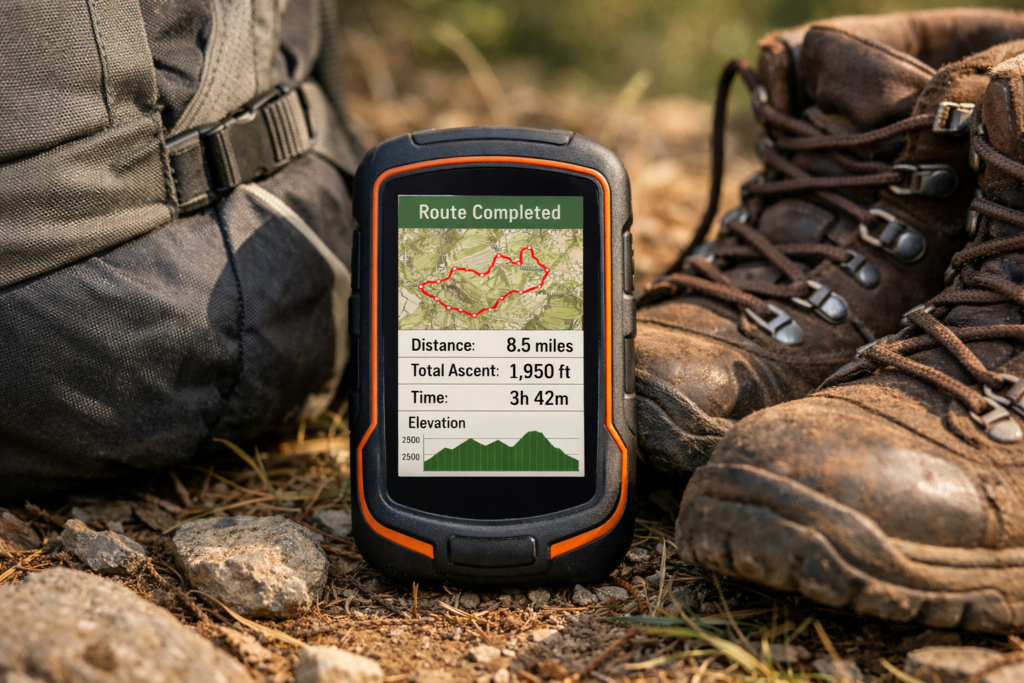
A GPS tracker doesn’t just guide you; it also records your journey. Every path, climb, and milestone becomes part of your adventure story.
With GPS tracking, you can:
- Log routes, distances, and elevation gains to better understand your journey, track progress, and measure how far you’ve explored.
- Mark important locations such as campsites, viewpoints, or water sources, making it easier to return to key spots or navigate safely.
- Review past trips to plan better future adventures, helping you improve routes, timing, and preparation with real data from experience.
- Share your experiences with friends, family, or fellow explorers, inspiring others while keeping loved ones informed and reassured.
These records turn your adventures into lasting memories and inspire others to explore safely.
How to Choose the Right GPS Tracker
Not all GPS trackers are created equal, and selecting the right one can greatly influence how safe, confident, and enjoyable your adventure feels.
The ideal GPS tracker should match the type of adventures you take, the environments you explore, and your comfort level with technology. From short day hikes to multi-day off-grid journeys, knowing what to look for ensures your tracker supports you every step of the way.
Below are the most important features to consider before choosing a GPS tracker:
- Battery Life: A long-lasting battery is essential, especially for extended trips where charging options are limited. Look for trackers designed to last several days on a single charge or those with power-saving modes. Some models also support replaceable batteries, making them ideal for remote adventures.
- Durability and Build Quality: Adventure environments can be harsh and unpredictable. A reliable GPS tracker should be built to withstand rain, dust, drops, and extreme temperatures. Water-resistant and shockproof designs ensure your device continues working even in rough terrain or sudden weather changes.
- Ease of Use: A good GPS tracker should feel intuitive from the start. Simple menus, clear screens, and easy-to-understand navigation make a big difference, especially for beginners.
Devices that allow quick access to essential functions, like checking location or activating emergency alerts, reduce stress during critical moments.
- Offline Capabilities: Many outdoor adventures take place beyond the reach of cellular networks. A GPS tracker with offline maps and tracking allows you to navigate confidently without relying on mobile signals. This feature is particularly valuable when exploring remote trails, mountains, forests, or wilderness areas.
- Emergency and Safety Features: Safety-focused features can be lifesaving in unexpected situations. Some GPS trackers offer SOS buttons, real-time location sharing, and alert notifications that can quickly notify rescue services or trusted contacts.
These tools provide reassurance, especially when traveling alone or venturing into isolated areas.
- Size and Portability: A GPS tracker should be easy to carry without adding unnecessary weight. Compact designs that fit comfortably in your hand, pocket, or backpack are ideal for long journeys where comfort matters.
- Accuracy and Signal Reliability: Consistent and accurate location tracking is crucial in unfamiliar terrain. Look for devices that maintain strong satellite connections and provide precise location data even in challenging environments.
Beginner-Friendly Advice
If you’re new to GPS tracking, focus on simplicity, reliability, and essential safety features rather than advanced navigation tools.
A dependable tracker that’s easy to operate will build confidence quickly, allowing you to explore more comfortably. As your experience grows, you can always upgrade to devices with more advanced features.
Tips for Using Your GPS Tracker Effectively
A GPS tracker is a powerful tool, but like any piece of adventure gear, it works best when used thoughtfully. Knowing how to prepare and use your device properly can make the difference between a smooth journey and unnecessary stress. These simple tips will help you get the most out of your GPS tracker on every adventure.
- Check the Battery Before Every Trip: Always start your journey with a fully charged device. Long hikes, cold weather, and continuous tracking can drain batteries faster than expected. If your tracker offers power-saving modes, learn how to use them to extend battery life in remote areas.
- Familiarize Yourself With the Device: Take time to learn your GPS tracker before heading into the wild. Practice using maps, setting waypoints, tracking routes, and activating emergency features. The more comfortable you are with the controls, the more confident you’ll feel when conditions become challenging.
- Pair GPS With Basic Navigation Skills: Technology is helpful, but it should never replace fundamental navigation knowledge.
Carrying a map and compass, and knowing how to use them, adds an extra layer of safety if electronics fail. GPS trackers work best when combined with traditional navigation skills.
- Carry Backup Power or Equipment: Extra battery packs, spare batteries, or even a secondary GPS device can be invaluable on longer trips. Backups ensure that a single technical issue doesn’t compromise your safety or navigation.
- Test Your Tracker Before the Adventure Begins: Run a quick test before leaving home or base camp.
Make sure location tracking, route recording, and emergency alerts are working properly so there are no surprises later.
- Keep Your Device Accessible: Store your GPS tracker where you can easily reach it, on your wrist, backpack strap, or pocket. Quick access is especially important during sudden weather changes or emergencies.
Using a GPS tracker isn’t just about relying on technology; it’s about planning smart, staying prepared, and exploring confidently. When used correctly, it becomes a trusted companion that supports your adventure rather than distracting from it.
Final Thoughts
Adventure is about stepping into the unknown, pushing past comfort zones, and discovering places that few get to see. But the best adventures are the ones that end with great stories, not close calls.
A GPS tracker helps bridge that gap by giving you the freedom to explore while staying prepared for the unexpected.
Whether you’re hiking into remote mountains, paddling through wild rivers, or wandering trails that fade into the horizon, a GPS tracker quietly works in the background, guiding you, protecting you, and recording your journey. It doesn’t take away the thrill of exploration; it enhances it by replacing uncertainty with confidence.
Every adventurer deserves the peace of mind to fully enjoy the moment. With the right GPS tracker and a little preparation, you can focus less on finding your way and more on the experience itself, because the greatest adventure is exploring boldly and returning safely to tell the story.
Frequently Asked Questions
Do GPS trackers work without cell service?
Yes, GPS trackers work without cell service because they rely on satellites, not mobile networks, to determine your location.
This makes them ideal for hiking, trekking, and exploring remote areas where cellular coverage is unavailable or unreliable.
Are GPS trackers better than smartphones for outdoor adventures?
For remote adventures, GPS trackers are often more reliable than smartphones. Dedicated GPS devices offer longer battery life, stronger satellite connections, offline navigation, and built-in safety features like SOS alerts, which smartphones may struggle with in off-grid environments.
Can a GPS tracker help in an emergency situation?
Absolutely. Many GPS trackers include emergency SOS features that allow you to send distress signals along with your exact location to rescue services or trusted contacts.
This can be lifesaving in situations such as injuries, sudden weather changes, or getting lost in remote terrain.
How accurate are GPS trackers in the wilderness?
Modern GPS trackers are highly accurate, often pinpointing your location within a few meters. Accuracy may vary slightly depending on terrain, tree cover, and weather, but quality devices maintain reliable tracking even in forests, mountains, and rugged landscapes.